Google
 
Showing posts with label Interior. Show all posts

Tuesday, December 16, 2008

Reebok Flash store by Formavision

reebok-flash-store-by-formavision-polkasqu.jpg

American designers Formvision have created a pop-up store for sportswear brand Reebok in New York, USA.

reebok-flash-store-by-formavision_back.jpg

Located in a 3,000 square-foot gallery space, the shop sells limited edition shoes and clothing designed in collaboration with visual artists Rolland Berry, John Maeda and the estate of Jean-Michel Basquiat, alongside Reebok shoes designed in the 1980’s.

reebok-flash-by-formvision-7.jpg

“The design of the space plays with sense of depth and perspective, tricking the eye by extending three dimensional shapes into distorted graphic patterns,” say Formavision.

reebok-flash-by-formvision-8.jpg

The store will remain open until 15 December.

The following is from Formavision:

Formavision develops “Reebok Flash,” Reebok’s first ever pop-up store
 169 Bowery @ Delancey, New York City 
Open Tuesday to Sunday, 11am to 7pm | Nov. 15 - Dec. 15, 08

On Saturday November 15th 2008, British sportswear company Reebok unveiled “Reebok Flash”, the brand’s first ever pop-up store. Located in a 3,000 square-foot gallery space on the Bowery, “Flash” will be open daily until December 15th, and will feature limited-edition sneakers and exclusive apparel collections designed in collaboration with renowned visual artists Rolland Berry, John Maeda and the estate of Jean-Michel Basquiat.

reebok-flash-by-formvision-9.jpg

“Reebok Flash” will also relaunch several of the company’s most popular sneaker lines from the 1980s, including the groundbreaking Pump and the iconic freestyle series, which became synonymous with stylistic and technological breakthroughs in the spheres of aerobics and cross training. 
 
Experiential design and creative services agency Formavision, which conceived and developed the concept store, took inspiration from Vorticsim, an English arts movement from the early 20th century noted for its dynamic interpretation of Cubist and Futurist principles.

reebok-flash-store-by-formavision_reflection-1.jpg

Combining Vorticism’s vibrant aesthetic with an assortment of cultural cues ranging from Purple Rain to Miami Vice, Flash Dance to Thriller, Formavision sought to capture the pop spirit of the 80s in order to create the ideal environment to reintroduce these classic styles from Reebok.”The design of the space plays with sense of depth and perspective, tricking the eye by extending three dimensional shapes into distorted graphic patterns, a camouflaging technique reminiscent of the Royal Navy’s dazzle ship graphics from the First World War,” notes Formavision founder and creative director Sebastien Agneessens.

reebok-flash-store-by-formavision_pump.jpg

“Our intent is to provoke and perhaps confound visitors by making them feel as if they are stepping into a poster rather than a store.” 
 
Formavision is a New York-based experiential design studio that specializes in creating branded environments and cultural content to support and activate non-traditional marketing strategies. Since its inception in 2003, Formavision has been connecting its clients with key tastemakers and members of the creative community by conceiving and deploying projects that include the Diesel Denim Gallery, Lexus Light & Speed, the World of Coca-Cola, and the Starbucks Salon.

reebok-flash-by-formvision-3.jpg

reebok-flash-store-by-formavision_neonbar_s.jpg


Posted by Matylda Krzykowski

Tuesday, November 4, 2008

Vanessa Hadaway: Balmoral Residence

The Balmoral is a private residence with a beautifully structured interior that is very elegantly furnished with most of the interior decorations using a black and white tone in all its rooms, creating a relaxing comfortable atmosphere. The same thing happens in the bedroom - extending to a green terrace, which looks simple in appearance yet comfortable in feeling.

With the sitting area blending the two shades, a trendy black bath tub along with a cubicle shower in the bathroom and a very trendy kitchen highlighted with a lot of white, the whole Balmoral Residence was meant to please.

Talking about the kitchen it has some of the most modern equipments, a huge white work table in the centre and a black dining table and chairs giving the right contrast to the pure whiteness of the kitchen. The architectural symmetry is balanced by the abstract setting of the interior and the whole interior is an embodiment of both comfort and elegance. The whole thing is by VanessaHadaway. Do you like it?


freshome.com

Sunday, May 4, 2008

Interior Decoration

Interior decoration or decor is the art of decorating a room so that it is attractive, easy to use, and functions well with the existing architecture. The goal of interior decoration is to provide a certain "feel" for the room; it encompasses applying wallpaper, wall decals, painting walls and other surfaces, choosing furniture and fittings, such as light fixtures, floorplans and providing other decorations for the area such as paintings, sculptures and carpets. In some cases, interior decorating is performed professionally by certified interior decorators (C.I.D.)

Although the terms interior decorating and interior design are sometimes used interchangeably, each discipline exhibits a distinct difference in its scope. Interior decorating is generally focused on the selection and presentation of interior items within a space, such as furniture, accessories, finishes and room layout. Interior design, on the other hand, involves manipulating the architectural integrity of the interior space.

Interior Architecture

Interior architecture bridges the practices of interior design and architecture so that professionals working in the field have a structural and load bearing education with an emphasis on interior spaces. The field is similar to architecture in that it deals with structures and load bearing walls. It is similar to interior design in that it focuses on interior spaces.

The National Center for Education Statistics's definition of Interior Architecture: "A program that prepares individuals to apply architectural principles in the design of structural interiors for living, recreational, and business purposes and to function as professional interior architects. Includes instruction in architecture, structural systems design, heating and cooling systems, occupational and safety standards, interior design, specific end-use applications, and professional responsibilities and standards."

In the United States, what is considered "interior design" is called "interior architecture." However, a practicing professional cannot use the title of "Interior Architect" unless they complete the requirements for becoming a licensed architect.

In mainland Europe (that is excluding the anglo-Saxon countries) the term "Interior Architecture" is generally used. In many European countries the use of the title "Interior Architect" is legally regulated. For more information see ECIA

INTERIOR DESIGN

Interior design is a practice concerned with anything that is found inside a space - walls, windows, doors, finishes, textures, light, furnishings and furniture. All of these elements are used by interior designers to develop a functional, safe, and aesthetically pleasing space for a building's users.

The work of a interior designer draws upon many disciplines including environmental psychology, architecture, product design, and traditional decoration (aesthetics and cosmetics). They plan the spaces of almost every type of building including: hotels, corporate spaces, schools, hospitals, private residences, shopping malls, restaurants, theaters, and airport terminals. Today, interior designers must be attuned to architectural detailing including: floor plans, home renovations, and construction codes.

Although the terms interior design and interior decorating are sometimes used interchangeably, each discipline exhibits a distinct difference in its scope. Interior design involves manipulating the architectural integrity of the interior space. Interior decorating, on the other hand, is generally focused on the selection and presentation of interior items within a space, such as furniture, accessories, finishes and room layout.

Friday, April 4, 2008

INTERIOR DESIGN

Interior Design Tools

Create a virtual version of the rooms you will be decorating by first arranging walls, then placing doors, windows, stairways, and furniture. It’s easy using automatic tools to create the right look and feel.

Interior Designs and Decoration

Create the look and feel before you build, remodel or decorate with actual colors, flooring, furniture, windows and more. Begin with a pre-defined Better Homes and Gardens Home Style Template or choose from one of 1,500 sample plans to inspire your own custom design.

Material Painter™

Point and click to choose from thousands of colors and textures or import your own for walls, floors, countertops and more!


Design Planning Center

The Better Homes and Gardens Design Planning Center provides expert advice, decorating guidelines, tips, and techniques from the editors of the Better Homes and Gardens magazine. We've gathered the information you need to plan the most important areas of your home in the Design Planning Center.

Kitchen Planning Center

Practicality and style blend seamlessly in a great kitchen. We’ve gathered the information you need to plan a perfect workspace, plus plenty of examples of kitchens that put those principles to work beautifully.

Bathroom Planning Center

Bathrooms may be the smallest rooms in your home, but that doesn’t mean you can make them an afterthought in the planning process. We’ll show you how to make the most of a limited space and explain the features that will add the most to your comfort and convenience.

Exterior Planning Center

Your home’s exterior is the face you display to the world. Discover the secrets that architects and designers use to create beautiful and easy-to-maintain exteriors.

House Styles Planning Center

Select a house style that fits your lifestyle and personality. You'll find six design styles for homes of today.

Design Kitchens

Design the Kitchen of your dreams - move walls, drop in cabinets, add fixtures - it’s easy to plan your perfect workspace.

Bath Designs

Plan the layout of your Bathroom with custom cabinets, sinks, showers, jetted tubs. It’s easy to visualize your ideas in 3D.

Master Bedrooms

Designs for your lifestyle and personality - change colors, add lighting, and choose furniture to accent your next room.

Tuesday, March 11, 2008

Architecture on a Pedestal

I have loved architecture probably as long as I could pronouce the word. The field strikes me not because I've fallen in love with particular buildings or styles, but because I am fascinated with the sociological and philosophical foundations - the conceptual theories of creating spaces in which we reside and are reflected. My first dream job was an architect, but after several years I relinquished that vision because, just as I had never fallen for the stylized, superficial buildings around me, I had no desire to spend a life recreating them.

So, onward to the point; this is yet another critique. It's sparked by my outing yesterday afternoon, when I was downtown and spontaneously stopped by a real estate office to check out the properties available. (I'm not interested in buying. I was just curious about the market.) Anyway, here I am in the lobby of this real estate office, purusing the loft property fliers; everything is going all fine and well... until I started looking more closely at the photos on some of the ads.

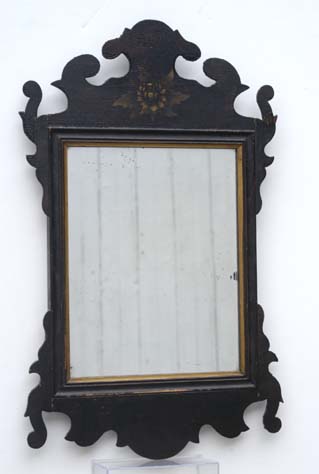
Here are these beautiful contemporary lofts with raw architectural details - the type of details that residents pay an extra several hundred thousand dollars to showcase - and as I scrutinize the photos, I'm beginning to notice not the spaces, but the decor. I'm beginning to note sheer sabotage of architecture, commited by slipshod interior design elements. I see rooms with vaulted, exposed piping ceilings completely humiliated by an invasive presence of a Chippendale mirror hung unintelligibly in the middle of the wall.
Or another property that boasts a sprawling, minimalist bedroom floorplan; an architectural dynamic utterly desecrated by an uncouth, four-poster Colonial-style bed (complete with throw pillows.)

I'm left standing in the lobby of this real estate office utterly aghast at the wounds inflicted by the hasty and insensitive owners who choose to reside in spaces that so clearly do not suit their style. I mean, I can certainly appreciate Eclectic decor - mismatched collections of art and furniture - but only if it's done with some level of finesse, with an underlying conceptual style! If, on the other hand, the integrity of the architecture is compromised because you have to show off Great Aunt Dorothy's ancient armoir, then it isn't style by any means of the word. The furniture must reflect the dynamic of the space - never should the space be forced to negotiate its measured ambiance in order to accomodate fickle tastes.


I mean, shouldn't there be some sort of screening process to protect the perfectly-understated spaces that we're trusted to inhabit? An architecture firm slaves over a blueprint, to create a room that seems to say, "hello, I am a minimalist space; I am superior in the most modest way. Dress my details to make them more vibrant"... And then some happy young couple moves in with their floral-patterned couch, and it's all shot to hell.

Shouldn't there be a bylaw insuring the preservation of architectural integrity?! Just as you would never shove an art-nouveau dining table into a country-style kitchen, you cannot possibly justify trying to disguise minimalist architecture with the cheap thrills of Victorian, Georgian, or Baroque furniture. For the sake of every semi-conscious guest who enters your home, please leave the oriental rug, quilt wall-hanging and oak crown moulding in the suburbs where they belong. If you must succomb to haphazard decor, that certainly is your perogative... All I ask is that you put it in a space that does not already have deliberate style. Move into a space with no voice, and drape it in a collage of your own; where neighbors will embrace architectural incompetence and call it: "homey".

I just wish architecture did not have to suffer the fate of dispassionate residents with unseemly decor collections. Purely for the sake of the minimalist lofts' integrity, I hope that these happy young couples soon have their first child, so that they can invest in the neutral canvas of a cookie-cutter home, where their Pottery Barn clutter and sentimentally-significant "heirlooms" can roam free. And they will leave the exposed piping to those who love it for what it is.